
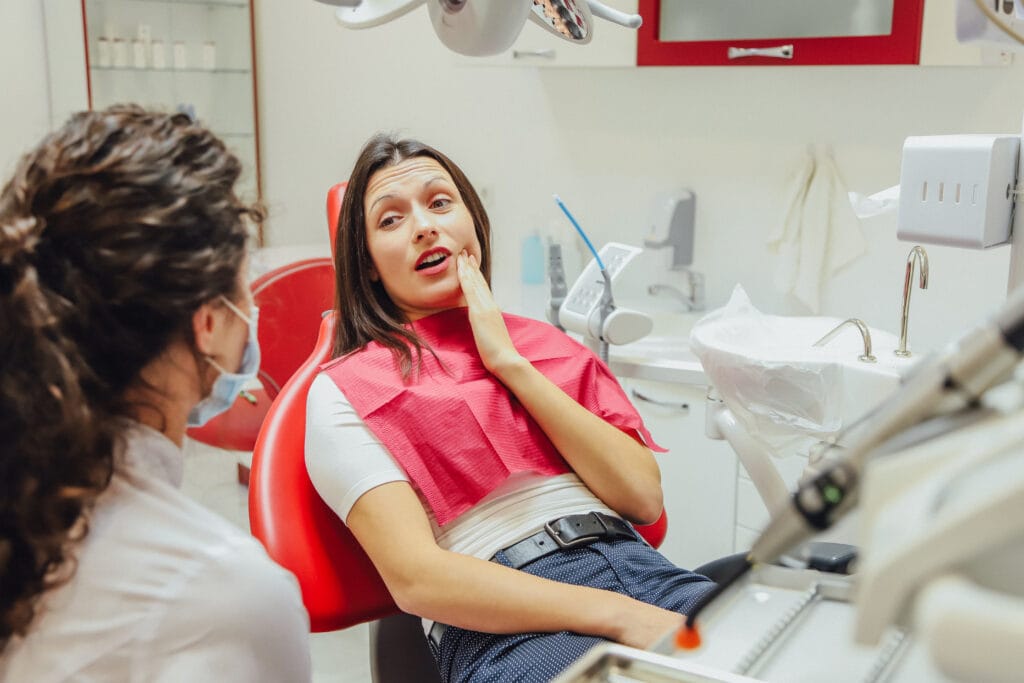
Accidents happen when we least expect them. A fall, a sports injury, or even biting down on something hard can result in a tooth being completely knocked out. While this can be frightening, knowing what to do in those first few minutes can make the difference between saving the tooth and losing it permanently.
If you ever face this situation, acting quickly and correctly is crucial. Here’s exactly what to do if a tooth is knocked out and when to contact an Emergency Dentist straight away.
Stay Calm and Act Fast
A knocked-out tooth is considered a true dental emergency. The sooner you act, the higher the chance the tooth can be successfully reinserted.
If possible, try to locate the tooth immediately. Time is critical ideally, the tooth should be placed back or preserved within 30–60 minutes.
Handle the Tooth the Right Way
When you find the tooth, always hold it by the crown (the white chewing part) and never touch the root. The root contains delicate tissues needed for reattachment.
If the tooth is dirty, gently rinse it for a few seconds using:
- Clean water
- Saline solution
Do not scrub it, use soap, or dry it with tissue. These actions can damage the root surface and reduce the chances of saving the tooth.
Try to Place the Tooth Back (If Possible)
If you’re confident and calm, try to gently place the tooth back into its socket:
- Make sure it’s facing the correct way
- Bite down softly on a clean cloth or gauze to keep it in place
If this feels uncomfortable or painful, don’t force it. Move to the next step and seek help from an Emergency Dentist immediately.
Keep the Tooth Moist
If reinserting the tooth isn’t possible, keeping it moist is vital. Never allow the tooth to dry out.
The best storage options include:
- A small container of milk
- Saline solution
- Inside your cheek (only for adults, if safe)
Avoid storing the tooth in plain water, as it can damage the root cells.
Control Bleeding and Protect the Area
Use clean gauze or a cloth to gently press on the empty socket and control bleeding. Applying a cold compress to the outside of the mouth can help reduce swelling and discomfort.
Avoid touching the socket with fingers or rinsing aggressively, as this can interfere with healing.
See an Emergency Dentist Immediately
Even if there’s no severe pain, you should see an Emergency Dentist as soon as possible. Prompt professional care greatly increases the chance of saving the tooth.
An emergency visit allows the dentist to:
- Assess damage to surrounding teeth and gums
- Safely reinsert and stabilise the tooth
- Prevent infection
- Plan follow-up care, including a Dental Check-Up to monitor healing
Delaying treatment can lead to infection, bone damage, or permanent tooth loss.
What If the Tooth Can’t Be Saved?
Sometimes, despite best efforts, the tooth cannot be reattached. In these cases, your dentist will guide you through replacement options such as dental implants or bridges to restore both function and appearance.
Early assessment by the Best Dentist in Norwich ensures you receive the most suitable solution with minimal long-term impact.
Why Follow-Up Care Matters
After emergency treatment, regular Dental Check-Up appointments are essential. These visits help ensure:
- The tooth remains stable
- No infection develops
- Surrounding teeth and gums stay healthy
Ongoing dental care plays a key role in protecting your smile after an accident.
How to Reduce the Risk of Knocked-Out Teeth
While accidents can’t always be prevented, a few simple steps can reduce your risk:
- Wear a mouthguard during contact sports
- Avoid chewing hard objects like ice or pens
- Address loose teeth early with routine dental visits
- Maintain strong oral health through regular check-ups
Seeing the Best Dentist in Norwich regularly helps identify potential risks before they turn into emergencies.
How Pearl Dental Surgeries Helps Norwich Patients
At Pearl Dental Surgeries, we understand how stressful dental emergencies can be. That’s why we provide prompt, compassionate care for patients across Norwich who need an Emergency Dentist.
Our experienced team is equipped to handle knocked-out teeth, dental trauma, and urgent pain with a calm, patient-first approach. From emergency treatment to follow-up Dental Check-Up appointments, we’re committed to helping you protect your smile and recover with confidence.
If you or a loved one experiences a dental emergency, don’t wait. Contact Pearl Dental Surgeries immediately and let our trusted team take care of you when it matters most.