
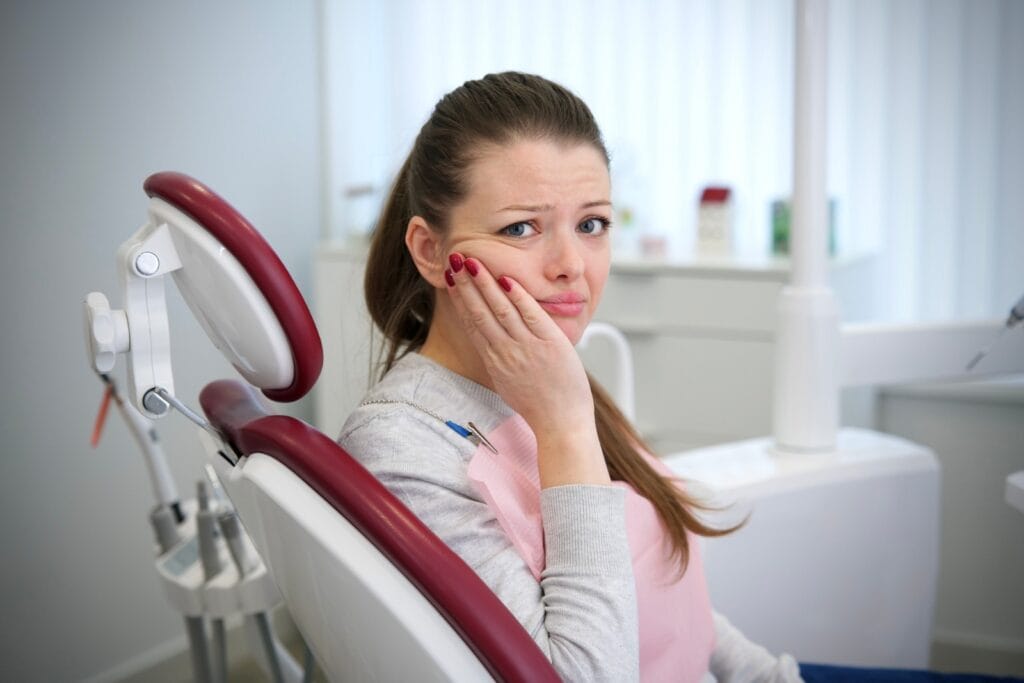
Winter in the UK, usually, is marked by pure chilly air during evenings and coziness that many people begin to experience unbearably more aching in their teeth. You wouldn’t be alone if you stepped outside, filled your lungs with a cold breath, took a sip of requested cold water, and experienced sharp tooth pains from the temples of your long pulpy tooth strictly down to the jaw. Cold-weather sensitivity appears to be one of the leading dental problems pertaining to seasonal changes, particularly in areas like Norwich, which have significantly lower tempered cold.
So, one wonders, why is it so? And what’s more important, how do you stop it?
This guide breaks down the common origin, treatment, possible prevention methods, and times to save for a Dental Check Up Appointment with a professional.
Why Teeth Hurt More in Cold Weather
The enamel and dentine, our teeth’s protective layers, are subjected to varying temperature and ambient conditions in winter and can exhibit extreme reactions accordingly. Some of the essential reasons are:
1.Enamel Erosion
It is wearing down in such a way that the outside protective layer of one’s teeth becomes enamelizing. Any type of cold or heat would then bring about strains because the internal perturbation has begun.
Common causes of enamel erosion include:
- Acidic foods and drinks
- Teeth grinding
- Overbrushing
- Age-related wear
When enamel reduces, the tooth becomes extremely sensitive to cold air.
2.Receding Gums
Where the gum recedes, the roots of the teeth are not protected by enamel. These roots house a thousand micro-pathways that lead directly to the nerve, thus explaining the phenomenon of very common cold sensitivity.
All these structures become visible when there is a loss of the gum, as the tooth roots are exposed and lack enamel coverage. These roots are then blessed with themselves with a large number of tiny microscopic paths directly leading to the nerve, hence creating common cold sensitivity.
3.Tooth Decay & Cavities
Small cavities may not hurt normally but can react sharply to cold temperatures. As cold air hits, the decay transmits sensation straight to the nerve.
4.Cracked Teeth
The cracks, the result of grinding, eating many hard foods, or trauma, contract and expand in cold weather. This motion irritates the nerve, and sudden discomfort is felt.
5.Sinus Pressure in Winter
As the weather gets chilly, sinuses become infected. The sinuses are inflamed, and this pressure is felt through the roots of the upper teeth, which creates a dull aching pain that increases in intensity outdoors.
How to Fix Cold Weather Tooth Sensitivity
1.Use a Desensitising Toothpaste
A desensitizing toothpaste blocks nerve pathways to reduce pain. Use it twice daily, at least for two weeks.
2.Try Fluoride Treatments
Fluoride strengthens enamel and reduces sensitivity. You can use:
- Fluoride gels
- Fluoride varnish applied by your dentist
- High-fluoride toothpaste
In case you’re confused about all the options available, get a Dental Check Up Appointment because it’s the easiest way for you to get personalized advice.
3.Avoid Acidic Foods & Drinks
Cut down on:
- Fizzy drinks
- Citrus fruit
- Vinegar-based foods
- Sports drinks
These erode enamel and worsen sensitivity.
4.Switch to a Soft-Bristle Toothbrush
Brushing too hard or with stiff bristles damages enamel over time. A soft brush protects your teeth and gums.
5.Consider Professional Dental Teeth Whitening (If Needed)
Many people think that whitening causes sensitivity, but modern techniques, especially those performed by a Dentist in Norwich, actually employ protective gels which minimize nerve irritation.
By far the safest, and most effectively less sensitive than those DIY home kits, are professional whitening; especially when done in winter.
6.Fix Cracks, Cavities or Gum Recession
If sensitivity is persistent, it may indicate a deeper problem.
Your dentist may recommend:
- Fillings
- Bonding
- Gum treatment
- Dental crowns
- Night guards (for grinding)
Early treatment prevents pain from worsening.
7.Stay Hydrated and Humidify Your Home
Winter heating dries one’s mouth, reduces saliva, high sensitivity, and increases enamel erosion.
Drinking more water at night using a humidifier is effective.
When Should You See a Dentist?
While mild sensitivity can be managed at home, book a Dental Check Up Appointment if you experience:
- Sharp pain when stepping outside
- Pain lasting more than 30 seconds
- Sensitivity in one specific tooth
- Swollen gums
- Tooth pain when biting
These symptoms often indicate cavities, infection, or enamel damage that requires professional care.
If you’re looking for a Dentist Taking New Patients, this is the right time to register especially before the cold weather worsens symptoms.
How Pearl Dental Surgeries Can Help
At Pearl Dental Surgeries, we offer comprehensive solutions for winter tooth sensitivity from diagnosis to treatment.
Our team provides:
- Gentle, personalised care
- Advanced enamel-strengthening treatments
- Safe Dental Teeth Whitening with minimal sensitivity
- Same-day appointments for urgent discomfort
Experienced Dentist in Norwich accepting new patients
If you are searching for a Dentist Taking New Patients or need quick relief from winter sensitivity, Pearl Dental is here to help.
Final Thoughts
The best treatment for a toothache is knowing the cause of the pain and to secure your smile from the extremes of the winter: call to set up a Dental Check-Up Appointment.
Frequently Asked Questions (FAQs)
1. Why do my teeth hurt more in cold weather?
Cold air causes enamel and dentine to contract, exposing sensitive nerves. Conditions like enamel erosion, gum recession, and cavities can make the pain worse.
2. Does professional teeth whitening worsen sensitivity in winter?
Not when done by a dentist. Professional whitening uses protective gels that reduce sensitivity compared to DIY kits, making it safe even during winter.
3. Can I prevent winter tooth pain?
Yes, Use fluoride toothpaste, avoid acidic foods, brush gently, and stay hydrated. Regular dental check-ups help catch early enamel or gum issues.
4. Should I avoid cold air if I have sensitive teeth?
You don’t need to avoid going outside, just breathe through your nose or use a scarf to reduce direct cold air exposure on your teeth.