
A dental emergency can pop up out of nowhere, and suddenly you might find yourself dealing with sharp tooth pain, swelling, bleeding, or even a tooth that’s chipped or damaged. If you’re looking for an urgent dental check-up in Norwich, it helps to know what to expect during the appointment so you feel less worried, even if your day is already going sideways.
Typically, an emergency dentist will first sort out what’s causing your symptoms, then work on easing pain where they can. Finally, they’ll suggest the best next step or the most suitable treatment option for your particular dental problem.
When Should You Book an Emergency Dental Check-Up?
You may need an emergency dental appointment in Norwich if you are dealing with, like, a really bad or long-lasting toothache, or maybe you notice significant swelling of the gums, face or jaw. Also get help quickly if you have a broken or cracked tooth that is causing pain, or if an adult tooth is knocked out or suddenly loose. Dental trauma after an accident counts too, and persistent bleeding from the mouth is another one to take seriously.
If you’re seeing symptoms that could suggest a dental infection, that’s also a reason to contact a dentist without delay. Not every dental problem means you have to be treated right away, but if things are severe or starting to get worse, they should be assessed promptly by a dentist.
Step 1: Explaining Your Dental Emergency
When you reach out to an emergency dentist in Norwich, they might ask a few things about what’s going on, like how the whole problem started and what you’re noticing right now. The dental team could ask, when exactly did the pain begin? Also, how severe is the discomfort, and whether you have swelling or bleeding. They may also want to know if you had an accident or any kind of injury. It’s quite common that they ask if you already took any pain relief, and if you’ve had related symptoms before. This kind of info can help the practice gauge the urgency of your dental situation and act accordingly.
Step 2: Your Emergency Dental Examination
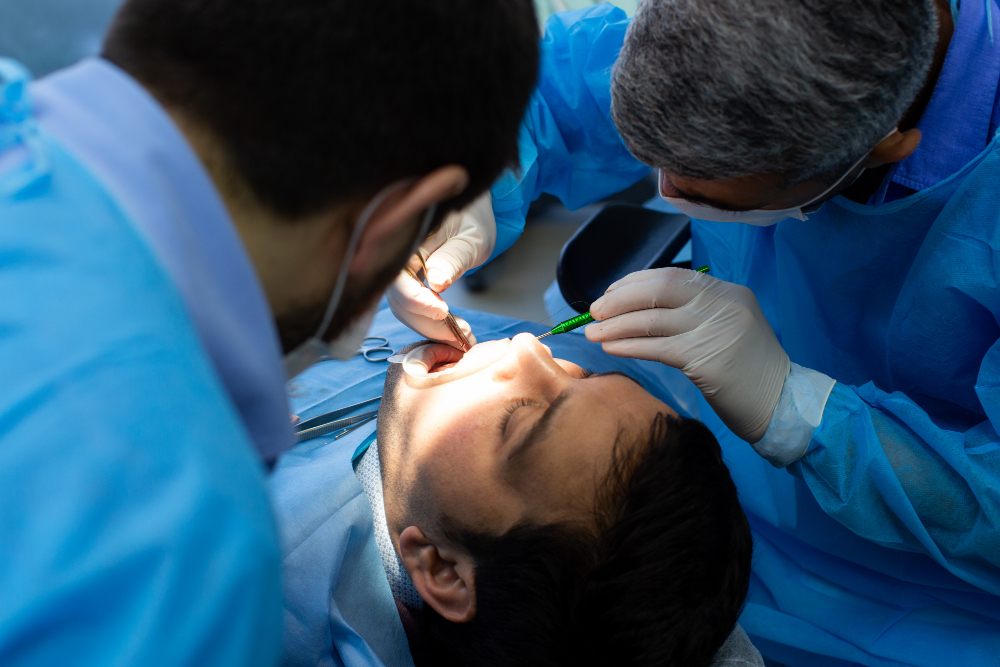
During your emergency dental checkup, your dentist will look over the affected tooth, the gums, and the nearby areas too, kinda like a small scan.
The dentist might perform an exam to see if there’s tooth decay, cracks or fractures, a dental infection, gum problems, dental trauma, or a loose and damaged restoration.
They’ll also talk with you about your symptoms, plus any related medical background you can share, so they understand what’s going on.
Step 3: Dental X-Rays If Necessary
Sometimes, the reason for dental pain just isn’t obvious even during a normal checkup, or it doesn’t show up clearly. Your dentist might suggest an X-ray to look into issues like infection near the tooth root, a dental abscess, or a tucked-away fracture. It can also reveal damage further down, below the gum line, and problems that are affecting the nearby bone. By doing this, the dentist can usually spot what’s truly behind the symptoms, rather than guessing based on what can be seen right then.
Step 4: Identifying the Cause of Your Symptoms
After the examination, your dentist will talk through what probably caused your dental emergency, kind of plainly. Sometimes it is not obvious at first, but the next steps will make sense.
Common problems that may need urgent dental care in Norwich can include things like:
- Severe toothache
- A dental infection
- A dental abscess
- Teeth that are broken or cracked
- A knocked-out tooth
- Fillings or crowns that have been lost
- Dental trauma
Getting a handle on the root cause is important before you choose the right treatment, because treatment is not always the same and it depends.
Step 5: Emergency Dental Treatment
The quick purpose of urgent dental care is usually to calm the pain, handle the current situation, and stop more complications from popping up. Depending on what’s found with your diagnosis, the approach can look like this, more or less:
- Temporary fillings
- Fixing a damaged tooth
- Dealing with a dental infection
- Treating a damaged restoration
- An emergency extraction if it’s medically needed
- Guidance and arranging for extra treatment afterwards
What you actually get will depend on your own dental needs and how your mouth is presenting at the time.
Step 6: Planning Further Treatment
Not all emergencies are the same; some can be handled during a single appointment, other times you might need follow-up care. You may be offered additional restorative steps such as root canal treatment, a permanent filling, a dental crown, further restorative work, or even tooth replacement. Your dentist will talk you through the options that make sense and then suggest what happens next.
Emergency Dental Care in Norwich
If you’re having really bad tooth pain, noticeable swelling, or any dental trauma, it’s best to seek emergency dental care in Norwich as soon as you can, so you can get a proper assessment.
Pearl Dental Surgeries provides dental help to patients in Norwich when they’re dealing with urgent dental issues. Contact the practice to discuss your symptoms and ask about emergency appointment options.
Frequently Asked Questions (FAQs)
What happens during an emergency dental appointment?
The dentist will assess your symptoms, examine your mouth, identify the likely cause, and recommend or provide appropriate treatment.
How quickly can I see an emergency dentist in Norwich?
Appointment availability can vary. Contact the dental practice directly to discuss your symptoms and available emergency appointment options.
Will an emergency dentist treat the problem immediately?
Where clinically appropriate, treatment may be provided during the appointment to manage pain and stabilise the dental problem. Some cases may require further treatment.
Need an Emergency Dental Check-Up?
If you have severe dental pain, swelling or a damaged tooth, contact Pearl Dental Surgeries to discuss emergency dental care in Norwich and the most appropriate next steps.