
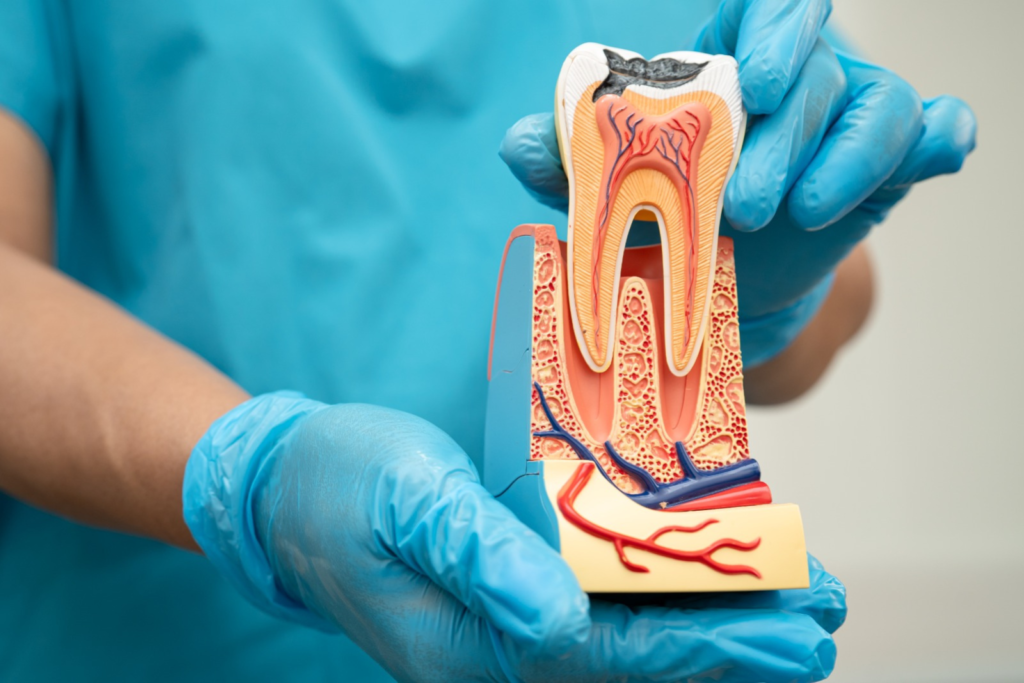
Many people experience bleeding gums, bad breath, or gum sensitivity at some point in their lives. Because these symptoms can seem minor, they are often ignored. However, gum disease is one of the most common oral health conditions in the UK and, if left untreated, can lead to serious dental and overall health complications.
Understanding the risks of untreated gum disease can help you take action early and protect your smile. Regular dental check-ups in Norwich play an important role in identifying gum disease before it progresses and causes long-term damage.
What Is Gum Disease?
Gum disease is an infection of the tissues that support your teeth. It is usually caused by a build-up of plaque and bacteria around the gum line. In its early stage, known as gingivitis, gum disease is often reversible with professional treatment and improved oral hygiene.
Common signs of gum disease include:
- Bleeding gums when brushing or flossing
- Red, swollen, or tender gums
- Persistent bad breath
- Gum recession
- Sensitive teeth
- Loose teeth in advanced cases
Unfortunately, many people dismiss these symptoms, allowing the condition to worsen over time.
The Early Stages of Gum Disease
The first stage of gum disease is gingivitis. At this point, the gums may appear inflamed and bleed during brushing. While the symptoms can be mild, they are often a warning sign that bacteria are accumulating around the teeth.
The good news is that gingivitis can often be treated successfully with professional cleaning, improved brushing techniques, and regular dental check-ups in Norwich.
Without treatment, however, the infection can spread deeper into the gums and supporting bone.
What Happens When Gum Disease Progresses?
If gum disease is ignored, it can develop into periodontitis, a more serious condition that affects the structures supporting your teeth.
As the infection progresses:
- Gums begin to pull away from the teeth
- Deep pockets form between the teeth and gums
- Bacteria accumulate beneath the gum line
- Bone supporting the teeth starts to deteriorate
At this stage, treatment becomes more complex, and the risk of permanent damage increases significantly.
Can Gum Disease Cause Tooth Loss?
Yes. One of the most serious consequences of untreated gum disease is tooth loss.
As the supporting bone and tissues weaken, teeth may become loose and eventually fall out or require extraction. Gum disease remains one of the leading causes of tooth loss among adults.
Many cases of tooth loss can be prevented through routine dental examinations in Norwich, where early signs of gum disease can be detected and treated before significant damage occurs.
How Gum Disease Affects Overall Health
Research has shown that oral health and general health are closely connected. While gum disease starts in the mouth, ongoing inflammation may be linked to several wider health concerns.
Studies have associated severe gum disease with:
- Heart disease
- Diabetes complications
- Stroke risk
- Respiratory infections
- Pregnancy complications
While more research continues to emerge, maintaining healthy gums is considered an important part of overall wellbeing.
Why Regular Dental Check-Ups Matter
One of the biggest challenges with gum disease is that it often develops gradually and may not cause significant pain in the early stages.
This is why routine dental check-ups in Norwich are so important. During your appointment, a dentist can:
- Examine your gums for signs of inflammation
- Measure gum pockets
- Identify plaque and tartar build-up
- Recommend treatment before the condition worsens
- Provide personalised oral hygiene advice
Regular visits help detect problems early, reducing the need for more extensive treatment later.
How Gum Disease Is Treated
Treatment depends on the severity of the condition.
For early-stage gum disease, treatment may include:
- Professional dental cleaning
- Improved brushing and flossing techniques
- Oral hygiene advice
- Regular monitoring
For more advanced cases, treatment may involve:
- Deep cleaning beneath the gum line
- Periodontal therapy
- More frequent hygiene appointments
- Ongoing maintenance and reviews
Early diagnosis generally leads to simpler and more effective treatment outcomes.
Why Choose Pearl Dental Surgery?
At Pearl Dental Surgery, we believe prevention is the foundation of long-term oral health. Our experienced team provides comprehensive dental check-ups in Norwich, helping patients identify and manage gum disease before it leads to more serious problems.
Patients choose our practice because we offer:
- Experienced and caring dental professionals
- Comprehensive oral health assessments
- Preventative dentistry focused on long-term results
- Modern treatment options
- Personalised care tailored to individual needs
Whether you have noticed bleeding gums or simply want to maintain a healthy smile, regular check-ups can make a significant difference.
Protect Your Smile with Regular Dental Check-Ups
Ignoring gum disease can lead to gum recession, bone loss, tooth loss, and potentially wider health concerns. The earlier gum disease is identified, the easier it is to treat and manage.
If you are experiencing symptoms or it has been a while since your last examination, booking a dental check-up in Norwich can help protect your oral health and give you peace of mind.
At Pearl Dental Surgery, our team is committed to helping patients maintain healthy gums, strong teeth, and confident smiles through expert preventative dental care.