
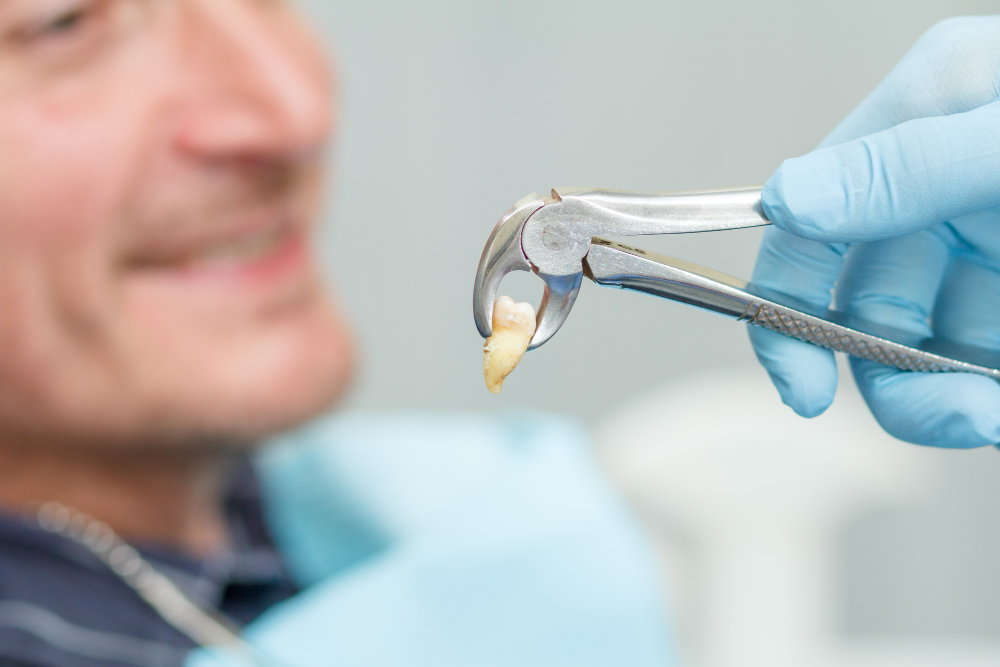
Experiencing persistent tooth pain, severe decay, or a damaged tooth can make everyday activities uncomfortable. While dentists always aim to preserve natural teeth wherever possible, extraction may sometimes be the most suitable option to protect your oral health. If you are considering dental extraction in Norwich, understanding what happens before, during, and after the procedure can help you feel more confident about your treatment.
At Pearl Dental Surgery, patients can discuss their dental concerns with an experienced dental team and explore suitable treatment options based on their individual needs.
When Might You Need a Tooth Extraction?
A dentist may recommend tooth extraction when a tooth cannot be restored effectively or is causing problems for surrounding teeth and gums. Common reasons include:
- Severe tooth decay: Extensive damage that cannot be treated with a filling or crown.
- Advanced gum disease: Infection and loss of supporting structures that make a tooth unstable.
- Broken or damaged teeth: Teeth with damage that cannot be repaired through restorative treatments.
- Dental infections: In certain cases, removing the affected tooth may be necessary to manage infection.
- Overcrowding: Removing a tooth may create space for orthodontic treatment.
- Impacted teeth: Teeth that cannot emerge properly and cause pain or other complications.
Your dentist will assess your condition and discuss whether extraction is necessary or whether alternative treatments can preserve your natural tooth.
What Happens Before a Tooth Extraction?
Before recommending extraction, your dentist will carry out an examination to understand the condition of your tooth and surrounding tissues.
The preparation usually involves:
- Dental examination: Your dentist will examine the affected tooth, gums, and surrounding areas to identify the problem.
- Dental X-rays: Imaging may be required to assess the tooth roots, bone structure, and position of nearby teeth.
- Treatment discussion: Your dentist will explain why extraction may be necessary, discuss available alternatives, and answer your questions.
- Anaesthesia planning: Local anaesthesia is commonly used to numb the treatment area. Depending on your circumstances, other options may also be discussed.
If you are anxious about dental treatment, let your dentist know before the appointment so appropriate support can be considered.
What Happens During a Tooth Extraction?
The procedure depends on whether you need a simple extraction or a surgical extraction.
Simple Tooth Extraction
A simple extraction is generally performed when the tooth is visible above the gum line. Your dentist will numb the area using local anaesthesia before gently loosening the tooth with specialised instruments and removing it.
You may feel pressure during the procedure, but you should not experience sharp pain. Inform your dentist immediately if you feel discomfort.
Surgical Tooth Extraction
A surgical extraction may be necessary when a tooth is broken below the gum line, impacted, or difficult to access. The dentist may make a small incision in the gum to reach the tooth. Sometimes, the tooth is divided into smaller sections to make removal easier.
The area may require stitches after the procedure.
The length of treatment depends on the tooth’s position, condition, and complexity of the extraction.
What Happens After Tooth Extraction?
After the tooth has been removed, a blood clot forms in the empty socket. This clot is essential for healing and protecting the underlying tissues.
Your dentist will provide specific aftercare instructions. General recommendations include:
- Bite gently on the gauze provided to help control bleeding.
- Avoid rinsing, spitting forcefully, or disturbing the extraction site during the initial 24 hours.
- Choose soft foods such as yoghurt, mashed potatoes, and scrambled eggs.
- Avoid smoking and alcohol during the initial healing period.
- Avoid strenuous physical activity immediately after treatment.
- Brush your teeth carefully without disturbing the extraction site.
Some swelling, tenderness, and minor bleeding can occur after extraction. However, contact your dentist if you experience persistent bleeding, increasing pain, fever, worsening swelling, or other concerning symptoms.
How Long Does It Take to Recover After Tooth Extraction?
Initial healing generally takes around one to two weeks, although the timeline varies depending on the complexity of the extraction and your overall oral health.
The gum tissue gradually heals over the following weeks, while the underlying bone takes longer to recover.
Following your dentist’s aftercare instructions can help support healing and reduce the risk of complications such as dry socket, which occurs when the protective blood clot is lost or disrupted.
Why Choose Pearl Dental Surgery for Tooth Extraction in Norwich?
Choosing a dental practice that understands your concerns can make the treatment experience more comfortable.
Pearl Dental Surgery provides dental care in Norwich, with treatment options tailored to individual patient needs. Whether you are experiencing tooth pain, severe decay, or a damaged tooth, the dental team can assess your condition and explain the most appropriate next steps.
The practice also provides information about treatment costs and available dental services, helping patients make informed decisions about their oral health.
If you are experiencing dental discomfort or have been advised to consider extraction, arranging a dental assessment is a useful first step.
Book Your Tooth Extraction Consultation in Norwich
Do not ignore persistent tooth pain or discomfort. Early dental assessment can help identify the cause and prevent potential complications.
Contact Pearl Dental Surgery in Norwich to discuss your dental concerns, understand your treatment options, and arrange an appointment.
Your oral health deserves the right care at the right time.