
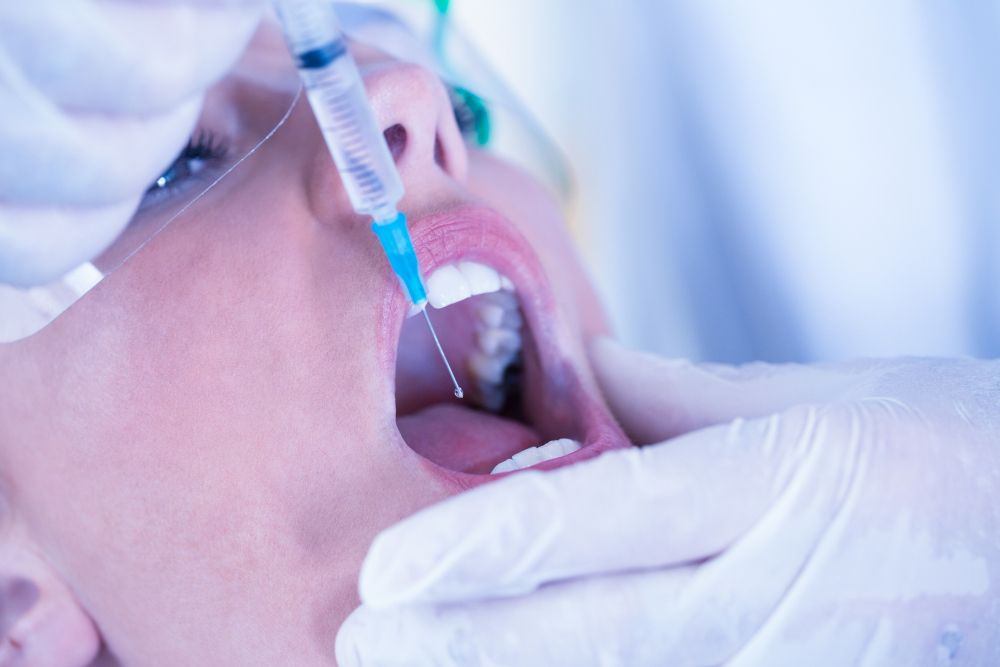
Are you worried about having a tooth removed because of dental anxiety, fear of pain, or an uncomfortable previous dental experience? You are not alone. Many people delay necessary dental treatment because they feel nervous about visiting the dentist. However, sedation options can help make certain procedures more manageable. If you are considering IV sedation dentistry in Norwich, you may be wondering whether it can be used during tooth extraction and what the experience involves.
IV sedation is one option that may help suitable patients feel more relaxed during dental treatment. At Pearl Dental Surgery, patients can discuss their concerns and explore appropriate treatment options with the dental team.
Can You Have a Tooth Extraction Under IV Sedation?
Yes. Tooth extraction can be performed under intravenous (IV) sedation in suitable patients, depending on their medical history, dental condition, and treatment requirements.
IV sedation involves administering medication through a small cannula placed into a vein, usually in the arm or hand. It helps reduce anxiety and creates a relaxed, drowsy state during treatment.
Unlike general anaesthesia, IV sedation does not usually make you completely unconscious. You may remain responsive to instructions, although you might remember little about the procedure afterwards.
Local anaesthesia is still used to numb the area around the tooth, as IV sedation alone does not provide complete pain relief.
Why Might You Need IV Sedation for Tooth Extraction?
Not everyone requires sedation for a tooth extraction. However, your dentist may discuss IV sedation if you have particular concerns or treatment needs.
Common reasons include:
- Dental anxiety: You feel extremely nervous about dental procedures.
- Fear of needles or treatment: Previous experiences make routine dental treatment difficult.
- Complex extractions: You require a procedure that may involve more extensive treatment.
- Strong gag reflex: You find it difficult to tolerate certain dental procedures.
- Multiple extractions: Several teeth need to be removed during a planned treatment session.
The suitability of IV sedation depends on an individual assessment. Your dental team will explain whether it is an appropriate option for you.
What Happens During Tooth Extraction Under IV Sedation?
Understanding the process can help reduce uncertainty before your appointment.
1. Initial Consultation
Your dentist will examine your teeth, discuss why extraction may be necessary, and review your medical history. You can explain your concerns, previous dental experiences, and any medications you take.
Dental X-rays may also be required to assess the position and condition of the affected tooth.
2. Preparation Before Treatment
If IV sedation is suitable, you will receive specific preparation instructions. These may include guidance about eating, drinking, medications, and arranging someone to accompany you home.
It is important to follow the instructions provided by your dental team.
3. Administering IV Sedation
A small cannula is placed into a vein, allowing the sedation medication to be administered. Your level of sedation is carefully adjusted and monitored by an appropriately qualified professional.
Monitoring typically includes your breathing, oxygen levels, heart rate, and blood pressure.
4. Tooth Extraction
Once you are adequately sedated, local anaesthesia is administered to numb the treatment area. Your dentist then performs the planned extraction.
You may feel some pressure or movement, but the combination of sedation and local anaesthesia is intended to make the experience more manageable.
5. Recovery and Discharge
After treatment, you will be monitored until the dental team considers you ready for discharge. You will need an appropriate adult to accompany you home and follow the recovery instructions provided.
Is IV Sedation Safe for Tooth Extraction?
IV sedation is used in dentistry when clinically appropriate and administered by suitably trained professionals with appropriate monitoring.
However, like any medical procedure, it carries potential risks. These can include temporary drowsiness, nausea, dizziness, and changes in breathing or blood pressure.
Your medical history, existing conditions, and medications must be reviewed before treatment. This helps the dental team assess your suitability and plan appropriate precautions.
Always discuss your concerns openly during your consultation.
What Should You Do After Tooth Extraction Under IV Sedation?
Recovery involves following instructions for both sedation and tooth extraction.
After IV sedation:
- Arrange for a responsible adult to accompany you home.
- Do not drive, operate machinery, or make important decisions for at least 24 hours, or for the longer period specified by your dental team.
- Rest and avoid strenuous activities during the advised recovery period.
- Follow all medication and post-sedation instructions.
After tooth extraction:
- Avoid disturbing the blood clot in the extraction socket.
- Eat soft foods once the local anaesthetic has worn off.
- Avoid smoking and alcohol during the initial healing period.
- Maintain gentle oral hygiene as instructed.
- Contact your dentist if you experience persistent bleeding, worsening pain, or increasing swelling.
Following both sets of instructions helps support a safer recovery.
How to Find IV Sedation Dentistry in Norwich?
When looking for IV sedation dentistry in Norwich, consider the dental team’s experience, sedation qualifications, monitoring arrangements, and suitability assessment process.
Ask whether your treatment can be performed under sedation, what preparation is required, and what support will be available after the procedure.
At Pearl Dental Surgery, patients can discuss dental anxiety, extraction requirements and possible sedation options with the team. A consultation can help determine whether IV sedation is appropriate for their individual circumstances.
Book Your IV Sedation Consultation in Norwich
Dental anxiety should not prevent you from seeking the care you need. If you are considering tooth extraction but feel nervous about the procedure, exploring sedation options may help you take the next step.
Contact Pearl Dental Surgery in Norwich to discuss your concerns, understand the available treatment options, and arrange a consultation.